Efficient Wildlife Control: Your Complete Guide to Responsible and Humane Wildlife Handling
Proper wildlife management is vital for fostering coexistence between humans and animals. Many communities face difficulties such as rodent infestations and landscape destruction. Addressing these issues requires a comprehensive method that emphasizes both safety and humane treatment. Gaining knowledge of deterrent approaches and ethical handling practices is of great importance. What strategies help balance human safety with wildlife preservation? The sections below will outline effective approaches to establish this careful equilibrium.
Common Wildlife Concerns You Might Deal With
Animal intrusions can lead to a range of difficulties for homeowners and property managers. Frequent problems involve infestations of rodents, such as rats and mice, which can cause property damage and transmit diseases. Raccoons and squirrels may also infiltrate attics and basements, resulting in structural damage and disruptive noises. In addition, gardens and landscaping are frequently damaged by deer, while birds frequently generate noise and unsanitary conditions in outdoor areas.
Within urban environments, wildlife may become increasingly bold, rummaging through trash cans and leaving behind unsightly messes. Snakes may pose risks in yard areas, especially in regions home to venomous varieties. Animals such as raccoons and skunks may become aggressive when cornered. The existence of such wildlife may result in safety hazards and emotional discomfort for homeowners. Understanding these challenges is essential for effective management and ensuring a safe living environment.
Top Ways to Prevent Wildlife Intrusions
Proven preventive measures can greatly reduce the likelihood of wildlife intrusions in residential neighborhoods. Residents should start by sealing potential entry points, such as cracks in foundations, vents, and attic spaces. Installing tight-fitting screens and sealing holes can discourage animals from settling in. In addition, ensuring yards remain tidy and devoid of food sources is important; this includes securing trash in animal-proof containers and regularly clearing away fallen fruit or pet food. Garden planning also contributes; planting native vegetation that is less attractive to animals can limit the draw for animals. Erecting fences can create a physical boundary, but they must be sufficiently tall and anchored deep to stop animals from digging underneath. Lastly, informing residents about animal behaviors helps encourage preventive actions, enabling communities to collectively copyright a wildlife-free living space. By implementing these strategies, homeowners can effectively safeguard their properties from unexpected wildlife disturbances.
How to Ethically Trap and Relocate Wildlife
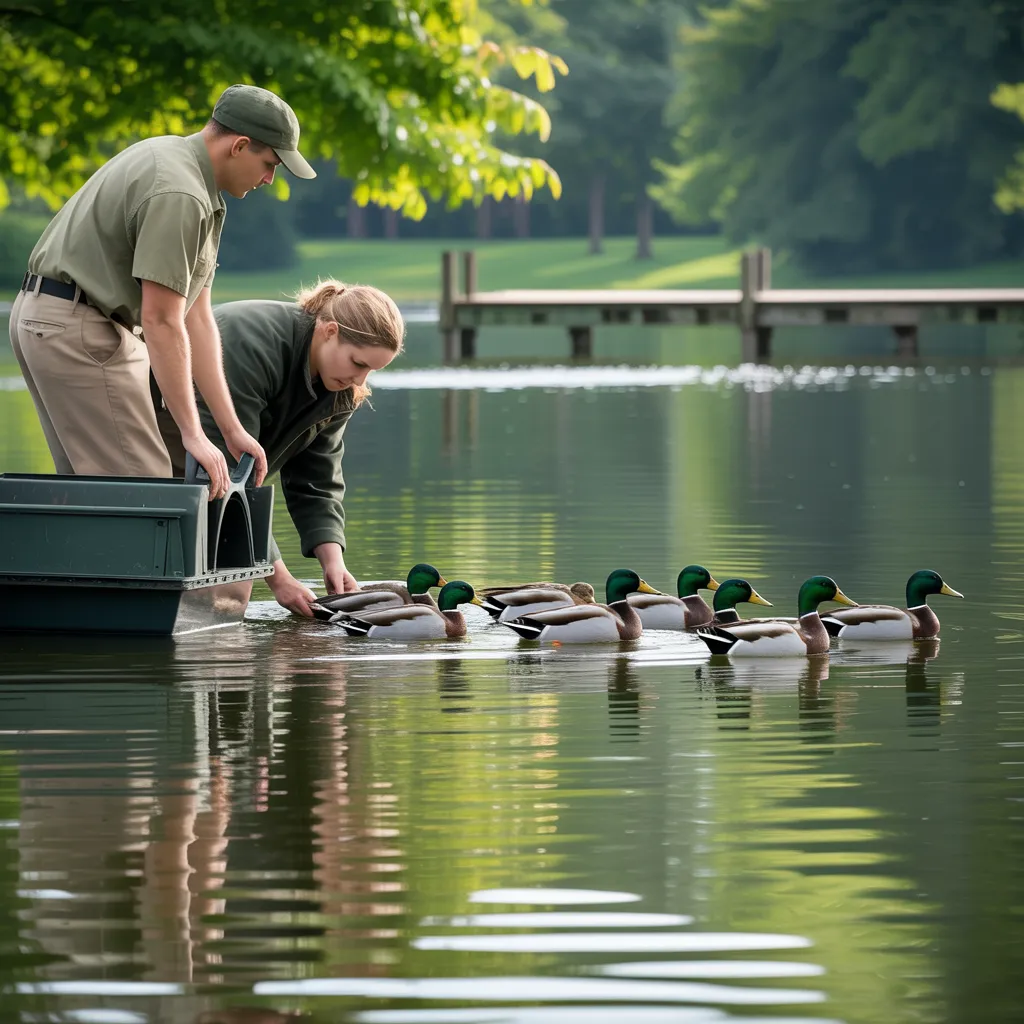
Trapping and transporting wildlife necessitates careful planning and consideration to guarantee the procedure is both humane and efficient. Initially, it is necessary to select appropriate traps designed specifically for the target species. Such traps must be sufficiently spacious to house the animal while maintaining its safety and comfort. Using appropriate food as bait will improve the likelihood of a successful catch.
Once an animal has been captured in a trap, it is critical to monitor the trap frequently to minimize stress and potential harm. After capturing the animal, the animal should be relocated quickly to an area that offers adequate habitat and food sources, far from human residences. It is essential to comply with local regulations regarding wildlife relocation must be observed, as some species could be protected or need specific permits. In the end, ensuring a humane approach supports wildlife welfare and encourages balance between human communities and the surrounding natural world.
Effective Methods to Keep Animals Away
The humane relocation of wildlife frequently results in the need for effective deterrence methods to keep animals away from human-inhabited areas. Various strategies can be implemented to discourage wildlife from reentering these spaces. The use of view this organic deterrents, such as potent odorous materials like garlic and vinegar or predator urine, can reliably produce an inhospitable setting. In addition, physical barriers, including wire fencing and mesh netting, work to block access to garden spaces and other points of interest.
Sound-based repellents, such as motion-sensing equipment or high-frequency repellers, can also be effective in scaring animals away. Additionally, keeping outdoor spaces tidy and organized minimizes accessible food supplies, rendering the area less attractive to wildlife. Cultivating particular plants that local wildlife find undesirable may additionally deter them from the area. Through the application of these ethical and non-harmful techniques, people can develop surroundings that are less appealing to local wildlife, encouraging harmonious coexistence while safeguarding property and assets.
How to Handle the Situation When You Discover an Injured Animal
When encountering a hurt animal, it is crucial to begin by assessing the scene to identify the best course of action. Examining the animal's state and environment can offer helpful insights. Following this assessment, connecting with a wildlife rescue organization is essential for adequate support and care.
Assess The Situation First
Coming across an injured creature can be an upsetting situation, so it is vital to evaluate the situation carefully before taking any action. To begin, the person should watch the animal from a distance, paying attention to its state and actions. This aids in establishing whether the animal is truly injured or just at rest. Following this, evaluating the environment is critical; identifying potential dangers, such as traffic or aggressive pets, can shape the course of action. It's important to stay calm, as abrupt movements may frighten the animal and worsen its distress. Moreover, taking the time of day into account can impact the urgency of the matter; night-dwelling animals may be at greater risk once darkness falls. Overall, a thorough evaluation lays the groundwork for appropriate intervention.
Contact A Wildlife Rescue
After finding an injured animal, getting in touch with a wildlife rescue group is a vital step in protecting its health and well-being. Wildlife rescues are equipped with the knowledge and resources necessary to evaluate the animal's condition and offer the necessary treatment. When reaching out, it is essential to supply detailed information, such as the animal's species, the location, and the extent of the injury. This information helps rescuers prepare for the situation effectively. Avoid handling the injured animal unless doing so is completely unavoidable, as it may increase its stress or aggravate the injury. After making the call, people should watch the animal from a distance until assistance arrives, ensuring that the environment remains as calm as possible. Prompt action can greatly increase the animal's chances of recovery.
Reliable Local Wildlife Control Resources You Can Count On
When managing wildlife situations, it is essential to recognize reliable resources accessible in the community. Nearby wildlife organizations, government wildlife services, and pest control specialists can supply effective assistance and guidance. Being aware of these options can help ensure the greatest outcomes for both residents and wildlife.
Local Wildlife Groups
Community wildlife organizations serve as essential resources for individuals seeking reliable wildlife control solutions. These groups commonly concentrate on learning and promotion, encouraging compassionate strategies for addressing wildlife challenges. They supply useful guidance regarding regional animals, their tendencies, and proven repellents, assisting community members in selecting the right course of action. Several organizations further supply educational events, courses, and literature that stress harmonious relations with local animals, building greater awareness of regional habitats. Moreover, they often support local awareness campaigns, linking homeowners with expert wildlife management specialists as needed. By championing humane standards and neighborhood engagement, these groups serve a critical function in aligning community interests with animal welfare, ensuring a harmonious coexistence.
Government Wildlife Services
Government wildlife services serve as a trusted resource for handling wildlife-related conflicts effectively. These services are typically connected to state or federal governments, providing expert guidance and assistance to communities facing wildlife challenges. They utilize trained personnel who understand local ecosystems and wildlife behavior, making sure that strategies are tailored to individual circumstances. Offerings may encompass public education on coexistence practices, habitat assessments, and wildlife population management. Through the use of humane methods, these wildlife agencies focus on community safety and animal welfare. They also coordinate with regional organizations to promote sustainable practices and enhance awareness of the conservation of wildlife. For community members looking for help, these services represent a dependable solution for addressing conflicts responsibly and safely.
Local Pest Control Professionals
Regional pest management professionals serve a vital function in addressing wildlife issues at a more localized level, supporting the work of government wildlife services. These professionals possess expert understanding about area-specific environments and the distinct wildlife that may create problems in metropolitan and neighborhood areas. Such professionals are skilled in ethical approaches to wildlife management, prioritizing the well-being of both wildlife and people. Moreover, regional professionals are knowledgeable about the guidelines and industry standards specific to their local areas, ensuring compliance and effectiveness. By utilizing methods including exclusion, habitat modification, and non-lethal deterrents, they help mitigate conflicts between humans and wildlife. Engaging with local pest control experts can lead to sustainable solutions that promote coexistence, in turn supporting both animal populations and residential areas.
Questions We Often Receive
What Are the Laws and Regulations Governing Wildlife Control in My Area?
Legal regulations for wildlife control vary by jurisdiction. Individuals should consult local wildlife authorities or government websites to understand specific laws regarding trapping, relocation, and management of wildlife in their area to ensure full compliance with applicable regulations.
How Do I Teach My Children About Wildlife Safety?
To educate children about animal safety, parents can promote open dialogue, use books and videos, organize nature walks, and role-play scenarios. Such activities cultivate wildlife awareness and respect, promoting safe interactions with animals in their environment.
What Should I Do if My Pet Encounters Wildlife?
When a pet comes across wildlife, the pet owner should stay calm, secure the pet with a leash, and gently retreat without frightening the animal. It is essential to stay at a safe distance and prevent any confrontation.
Are There Natural Deterrents Available for Certain Animals?
Eco-friendly deterrents encompass citrus peel solutions targeting cats, vinegar-based solutions for raccoons, and peppermint oil as a rodent deterrent. In addition, the combination of garlic and cayenne pepper effectively discourages numerous animals, delivering a green and sustainable strategy for addressing wildlife interactions.
How Can I Spot and Identify Various Species of Wildlife in My Backyard?
To recognize various wildlife species in a garden, individuals should examine physical characteristics, behavioral patterns, and sounds. Employing nature guides and digital tools can aid in identifying wildlife, while observing seasonal changes can give more perspective to wildlife activity.
Comments on “Fast Duck Duck Goose Wildlife Control Services Available”